The 10 Countries That Drink the Most Wine in the World (2024)
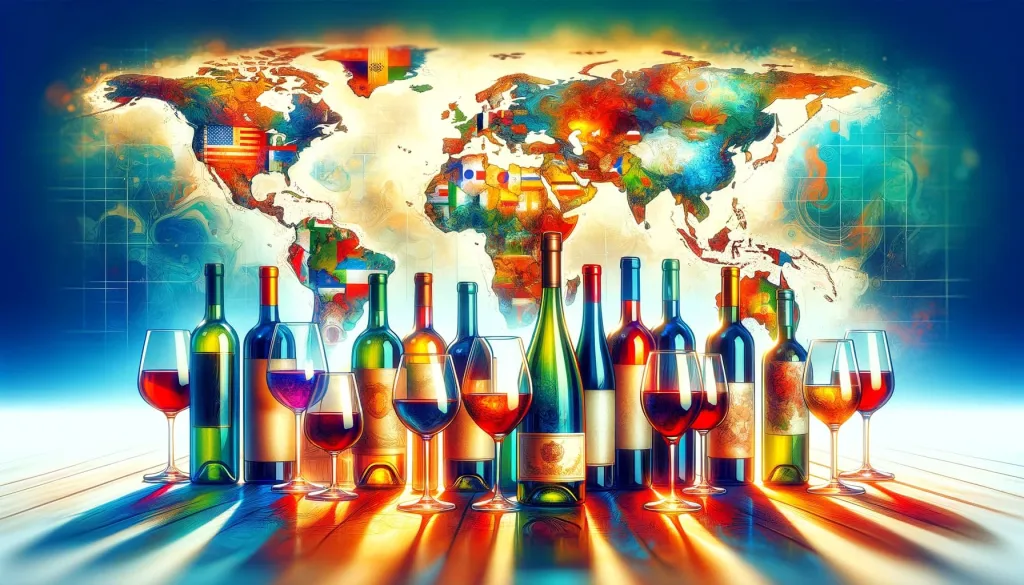
Wine, a beverage celebrated for its rich variety and deep cultural roots, has long been a staple of social and dining experiences across the globe. However, recent trends signal a shift in wine consumption patterns, challenging the industry to adapt. Drawing insights from the Silicon Valley Bank’s 2024 State of the U.S. Wine Industry Report, we delve into the evolving landscape of wine appreciation worldwide.
Here are the 10 countries that drin the most wine in the world and how they have changed the last year.
The Surprising Shift in Wine Consumption
Despite its historic popularity, wine consumption is experiencing a notable decline, even among the world’s leading wine-loving nations. The U.S., currently the top consumer of wine globally, has seen a decrease in wine sales for the third consecutive year as of 2023. This downtrend is not isolated to the U.S.; other countries with a storied wine culture, such as France, Italy, Germany, and Argentina, are also witnessing similar patterns of reduced consumption.
The Top 10 Wine-Consuming Countries: An Overview
The latest data highlights the top 10 countries contributing most significantly to wine consumption globally, measured in millions of 9-liter cases:
- United States (329.1 million cases, +5.1 change): Despite its position as the largest wine market, the U.S. faces a continuous decline in wine sales.
- France (281.1 million cases, -22.2): Traditionally synonymous with wine culture, France has seen a substantial decrease in consumption.
- Italy (255.6 million cases, +17.8 change): Italy shows a contrasting trend with an increase in wine consumption, celebrating its deep-rooted wine heritage.
- Germany (215.6 million cases, -2.2 change): A slight decrease in consumption doesn’t overshadow Germany’s love for wine.
- United Kingdom (142.2 million cases, 0.0 change): The UK’s wine consumption remains stable, reflecting a consistent demand.
- Russia (120.0 million cases, +12.2 change): Russia emerges as a growing wine market, showcasing increased interest in wine.
- Spain (114.4 million cases, +5.5 change): Spain, with its rich wine-making tradition, continues to enjoy a steady rise in consumption.
- China (97.8 million cases, -103.3 change since 2015): Facing the most dramatic decline, China’s wine market is contracting amidst changing social norms.
- Argentina (92.2 million cases, -22.2 change): Argentina’s consumption decrease mirrors the broader challenges within wine-producing countries.
- Portugal (66.7 million cases, +13.4 change): Portugal shows a promising increase, highlighting the country’s growing appreciation for wine.
| Rank | Country | 2022 Volume (Millions of 9L Cases) | Volume Change 2015 – 2023 |
|---|---|---|---|
| 1 | United States | 329.1 | +5.1 |
| 2 | France | 281.1 | -22.2 |
| 3 | Italy | 255.6 | +17.8 |
| 4 | Germany | 215.6 | -2.2 |
| 5 | United Kingdom | 142.2 | 0.0 |
| 6 | Russia | 120.0 | +12.2 |
| 7 | Spain | 114.4 | +5.5 |
| 8 | China | 97.8 | -103.3 |
| 9 | Argentina | 92.2 | -22.2 |
| 10 | Portugal | 66.7 | +13.4 |
Analyzing the Trends: Beyond the Numbers
The decline in traditional wine markets can be attributed to various factors, including shifts in consumer preferences, economic challenges, and health considerations. In contrast, the growth in countries like Italy, Russia, Spain, and Portugal suggests a diversification of the wine culture, with these nations embracing both traditional and innovative approaches to wine consumption.
The Future of Wine: Looking Ahead
As the industry faces these changing tides, there’s speculation about new markets that could drive the next wave of wine consumption. India, with its burgeoning middle class and increasing exposure to global culinary trends, is poised to become a significant player in the wine industry. The question remains whether emerging markets like India can offset the declines seen in more established markets.
Conclusion
The landscape of global wine consumption is undergoing a period of significant change, marked by both challenges and opportunities. As traditional powerhouses see declines, there’s room for growth and innovation in new and emerging markets. The wine industry’s ability to adapt to these shifts will be crucial in shaping its future, ensuring that wine remains a beloved beverage for generations to come.