

Find a bottle18+ · Affiliate link · Prices may vary
The Caskable 100No. 100 of the 100 highest-scoring bottles →
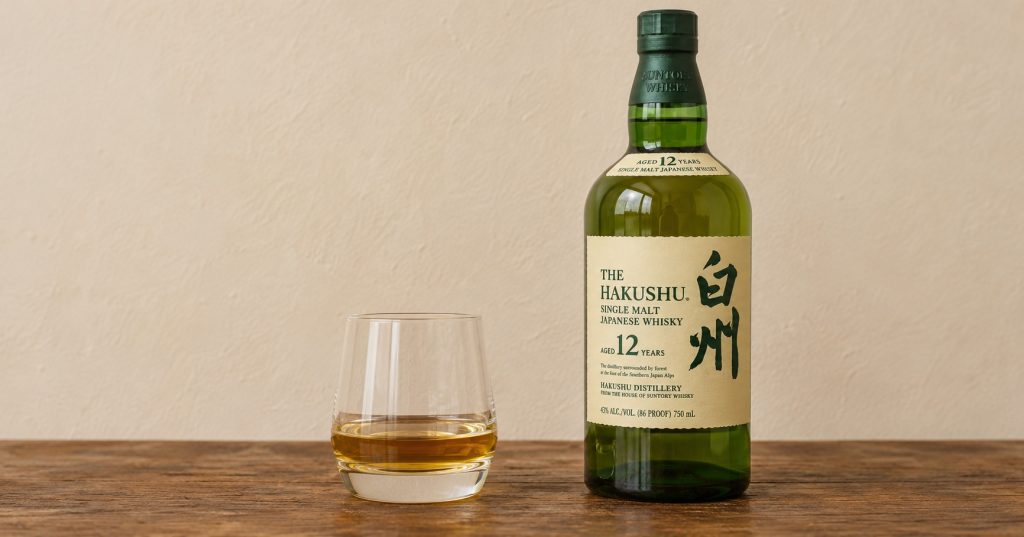
Hakushu 12 is the Japanese single malt that tastes of a forest after rain, and it is priced like something that was grown there by a master craftsman over a century. This Hakushu 12 review is about a fresh, minty, gently smoky whisky from the Japanese Alps, and the Caskable score is 76 out of 100. It is a lovely whisky and an eccentric purchase at £150.
If you have been told that Japanese whisky is all about subtlety, Hakushu is the exception that proves the rule. It is subtle, but it is also green, herbal and a little wild.
What is Hakushu 12?
Hakushu was built by Suntory in 1973 in the Southern Japanese Alps, at an altitude of around 700 metres, surrounded by forest and fed by granite-filtered water. It is often called the forest distillery, and its whiskies have a distinctive fresh, green character. It is the sibling of Yamazaki, and the pair are compared in my Yamazaki vs Hakushu guide.
The 12 is a single malt, bottled at 43% with a 12-year age statement. It is matured in a mix of casks, with a light peat influence from some of the malt. The altitude and the cool climate mean slow maturation, which contributes to the whisky’s freshness.
Like all Suntory age-statement bottles, it has been affected by the Japanese whisky shortage. My why is Japanese whisky so expensive piece explains why prices have risen so dramatically.
Hakushu 12 tasting notes
Notes are green and fresh. One tasting lists mint, cucumber, green apple, pear and a gentle wisp of smoke. It is a very unusual nose in whisky, closer to a garden than a barrel room. The mint and cucumber are the identifying features.
The balance leans heavily on cereal and malt notes, though a light peat layer works well. The palate is clean and crisp, with green apple, malt and a gentle sweetness. It has less richness than Yamazaki, and more freshness.
The finish is refreshingly clean, with lingering mint, gentle smoke and a touch of sweetness. Which of the two Suntory single malts is better is a fair argument. Hakushu has a unique spiciness that is interesting, and the Yamazaki is the richer, sweeter one.
I think Hakushu is a more divisive whisky than Yamazaki. If you like green, herbal flavours, it is wonderful. If you want richness and sweetness, it will disappoint. The 76 reflects my sense that it is brilliant for a certain taste, and overpriced for everyone else.
How to drink Hakushu 12
Neat, with a few drops of water, in a tulip glass. It is a refreshing whisky, so it works well slightly chilled. A single large cube is fine. In a highball it is superb, though at this price, it feels profligate.
Pair it with sushi, sashimi, cucumber salads and light seafood. The mint and green apple notes work with fresh flavours. My Japanese Highball recipe suits it beautifully if you are feeling extravagant.
What to know before you buy Hakushu 12
As with Yamazaki, counterfeits and relabelled bottles are a problem. Buy from a reputable retailer, and check the label carefully. The 12-year-old has been in short supply, and prices vary significantly between retailers and over time.
The strength is 43% and the age is 12 years. Don’t confuse it with the NAS Hakushu Distiller’s Reserve, a younger and cheaper bottling. The 12 has a distinctive depth that the NAS lacks.
The forest and the water
A lot of the Hakushu story is geographic. The distillery sits at the foot of Mount Kaikomagatake in the Japanese Alps, with granite-filtered water that is famously soft and clean, and a climate that is cool and humid for much of the year. Whisky matures differently in that kind of climate than it does in the warmer, more variable conditions at Yamazaki. The slower, steadier maturation preserves freshness and delicacy, which is why Hakushu tastes the way it does.
There is also an element of marketing, of course. The idea of a forest distillery, where whisky is made among trees and mountain streams, is romantic, and Suntory leans into it. I do not mind, because the whisky justifies the romance. The mint, the green apple and the faint smoke are real, and they are not what you get from any other Japanese distillery.
Is Hakushu 12 worth the money?
At about £150 for 70 cl it is very expensive. Yamazaki 12 sits at about £140 with a score of 80. Hibiki Harmony sits at about £78 with a score of 83. Talisker 10 comes in at roughly £42 and scores 70.
Yamazaki 12 scores four points higher for £10 less. Hibiki Harmony scores seven higher for half the price. Hakushu 12 is a niche choice, for those who specifically want the green, minty profile. Check the retailer link before buying.
Alternatives to Hakushu 12
Hakushu 12 sits in a crowded part of the shelf. These are the bottles I would compare it with before buying.

Better value
Hibiki Japanese Harmony
- Caskable score 83/100
- About £78 (70 cl)
- 43% ABV
- Japan
It is the better-value Suntory.
Find a bottle18+ · Affiliate link · Prices may vary

Better value
Suntory Toki
- Caskable score 77/100
- About £30 (70 cl)
- 43% ABV
- Japan
It is the budget blend that shows off the Hakushu character.
Find a bottle18+ · Affiliate link · Prices may vary

Better value
Talisker 10
- Caskable score 70/100
- About £42 (70 cl)
- 45.8% ABV
- Scotland
For a fresh, herbal Scotch, it is an interesting alternative at a fraction of the price.
Find a bottle18+ · Affiliate link · Prices may vary

Better value
Glenmorangie The Original 10
- Caskable score 76/100
- About £37 (70 cl)
- 40% ABV
- Scotland
It is the other interesting Scotch alternative at a fraction of the price.
Find a bottle18+ · Affiliate link · Prices may vary
Who should buy Hakushu 12?
Japanese whisky enthusiasts who like fresh, herbal flavours, collectors, and anyone who wants to understand the difference between the two Suntory distilleries. If you want the best Suntory single malt for the money, buy Hibiki Harmony.
Hakushu 12 review verdict
A fresh, minty, gently smoky Japanese single malt of real individuality and an eccentric price. Caskable score: 76 out of 100.
Advertisement

Tasting notes
Nose
Green and fresh: mint, cucumber, green apple and pear with a gentle wisp of smoke. More garden than barrel room.
Palate
Clean and crisp, with green apple, malt and a gentle sweetness. Less richness than Yamazaki, more freshness.
Finish
Refreshingly clean, with lingering mint, gentle smoke and a touch of sweetness.
The verdict
Fresh, minty and gently smoky. Brilliant if you like green flavours, an eccentric price if you do not.

Thomas Gronvold
Thomas Grønvold is the founder of Caskable and a whisky enthusiast who believes the best way to learn about whisky is simply to drink it, compare it, and stay curious. From supermarket favourites to bottles from distilleries around the world, he writes about what he actually tastes and experiences, without pretending you need to be an expert to enjoy a good dram.
View profile →


Advertisement

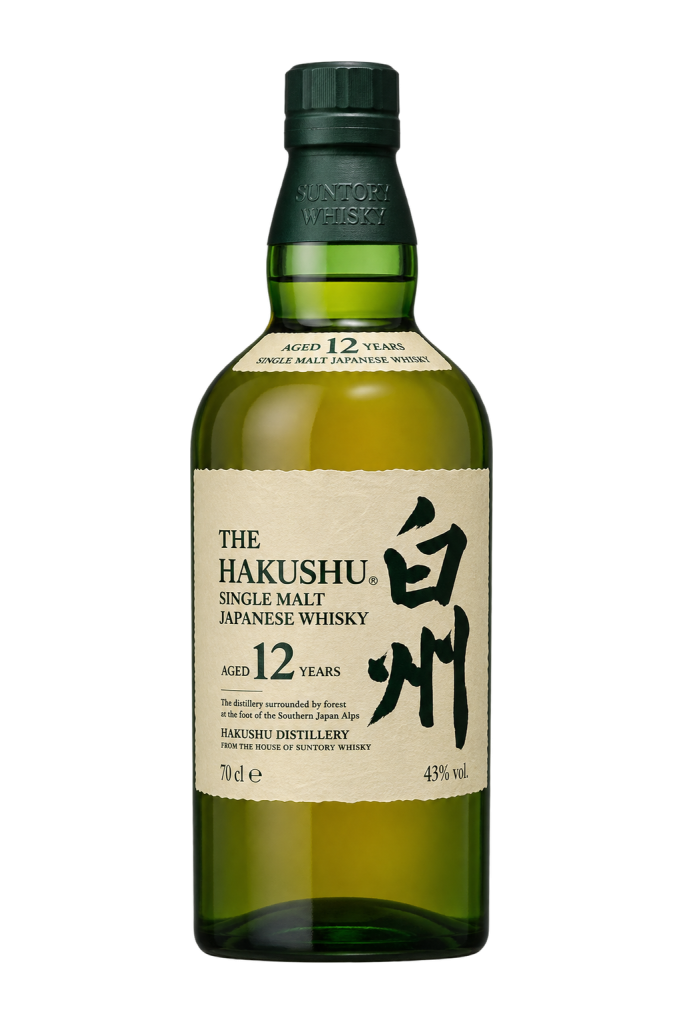
The bottle
Hakushu 12
Japan43% ABV12 years
18+ · Affiliate link · Prices may vary
Caskable score
76
out of 100
In this review