Also try
Overeem Port Cask Matured
- Caskable score 78/100
- About £85 (70 cl)
- 43% ABV
- Australia
It is the Tasmanian port-cask malt.
Find a bottle18+ · Affiliate link · Prices may vary


Lark Classic Cask is the Tasmanian single malt from the man who restarted whisky-making on an island that had banned it for a century and a half. This Lark Classic Cask review is about a 43% malt with citrus, plum pudding and a hint of local peat, and the Caskable score is 74 out of 100. It is a charming, handmade whisky with a hefty price tag.
The story of Lark is better than the whisky’s value, and the whisky is good. If you like the idea of a small, independent distillery at the bottom of the world doing things its own way, this is a bottle to try.
Lark was founded in Hobart by Bill Lark, a Tasmanian who campaigned to change the law that had effectively prohibited small-scale distilling since the 1830s. After he got the law changed in 1992, Lark became the first licensed distillery in Tasmania for over a century and a half, and it kicked off a boom. Today Tasmania has dozens of distilleries. My new wave distilleries piece covers the broader craft trend.
The Classic Cask is a single malt matured in a mix of small casks, bottled at 43%. Lark’s own description says it was handcrafted at its Coal Valley Distillery and features citrus and rich plum pudding with a hint of Tasmanian peat. The distillery often sells in 500 ml bottles, which affects the price comparison, so check the size before you compare it with 70 cl Scotch.
Tasmanian whisky benefits from a cool, maritime climate similar to Scotland’s, but with much cleaner air and some of the world’s best barley. The small casks used by many Tasmanian distilleries speed up maturation, giving a flavourful whisky in a few years.
The nose is toffee apple, custard and citrus, with a subtle floral oak that emerges over time. It is gentle and appealing, sweet and slightly tangy. There is a hint of Tasmanian peat, which adds a faint earthy smokiness.
The palate is soft and malty, with fruit, a little spice and a creamy texture. The finish is medium and sweet, with a bit of oak. It is an easy-drinking, pleasant whisky.
It reminds me of a Speyside ten-year-old, in the Speyburn or Glen Grant mould, and at around 200 Australian dollars for 500 ml it is overpriced for that. The Dark Lark is the better port-influenced expression. The Classic Cask is a good whisky, but it is not unique enough to justify its price. My 74 reflects that.
Neat, with a few drops of water, in a tulip glass. At 43% it is gentle, and a splash of water opens the fruit. A single large cube is acceptable, but ice dulls the subtle peat.
It is a pleasant cocktail whisky for a special occasion. An Old Fashioned made with it is smooth and fruity, and a Manhattan has a lovely citrus lift. Honestly, though, I would sip it.
Lark has a range that includes the Classic Cask, the Distillers Selection, Dark Lark and several limited editions. Check that you are buying the Classic Cask. Bottle sizes vary, and prices can differ sharply between markets.
It pairs well with Tasmanian cheeses, smoked salmon, roasted nuts and dark chocolate. The mild peat suits smoked foods.
Tasmania is one of the great whisky success stories of the past 30 years. It has the right climate, great barley, pure water and a culture of small-scale craft. Distilleries like Lark, Sullivan’s Cove and Overeem have won international awards, and the island’s whisky is now collected around the world. It is a nice reminder that whisky is not the property of any one country.
Lark started it all, and the Classic Cask is the most accessible way to taste that heritage. It is not the most complex or the most exciting Tasmanian whisky, but it is the one that carries the founding story. If you buy it, you are partly buying that history, and I think that is worth something.
Because the distillery is small, supply can be patchy, and it is worth checking a few retailers before you buy. If you do find a bottle, treat it as a chance to taste what a Tasmanian craft producer can do, and judge it on its own terms.
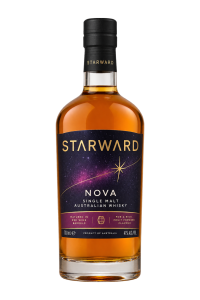
At about £75 for 70 cl it is expensive. Overeem Port Cask costs about £85 and scores 78. Starward Nova costs about £51 and scores 79. Glen Scotia Double Cask is about £36 and scores 78.
Starward Nova costs £24 less and scores five points higher. Glen Scotia costs half the price and scores four higher. Lark is for those who want to taste Tasmanian whisky history. Check the retailer link before buying.
Lark Classic Cask sits in a crowded part of the shelf. These are the bottles I would compare it with before buying.
It is the Tasmanian port-cask malt.
It is the Melbourne red-wine malt.
It is the award-winning luxury option.
For a similar style at a lower price, it is a Speyside alternative.
It is the other Speyside alternative at a lower price.
Curious drinkers who want to try Tasmanian whisky, collectors of craft distilleries and gift buyers. If you want value, look at the alternatives.
A gentle, citrusy, plum-pudding Tasmanian malt with a great founding story and a price that is hard to justify. Caskable score: 74 out of 100.

Toffee apple, custard and citrus with subtle floral oak and a hint of Tasmanian peat.
Soft and malty, with fruit, a little spice and a creamy texture.
Medium and sweet, with a bit of oak.
Gentle, citrusy and easy-drinking, with a great founding story and a price that is hard to justify.

Thomas Grønvold is the founder of Caskable and a whisky enthusiast who believes the best way to learn about whisky is simply to drink it, compare it, and stay curious. From supermarket favourites to bottles from distilleries around the world, he writes about what he actually tastes and experiences, without pretending you need to be an expert to enjoy a good dram.
View profile →