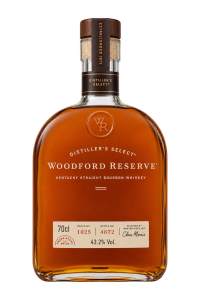
The bourbon next to it
Woodford Reserve
- Caskable score 79/100
- About £33 (70 cl)
- 45.2% ABV
- USA
Better, cheaper and a lot easier to find.
Find a bottle18+ · Affiliate link · Prices may vary

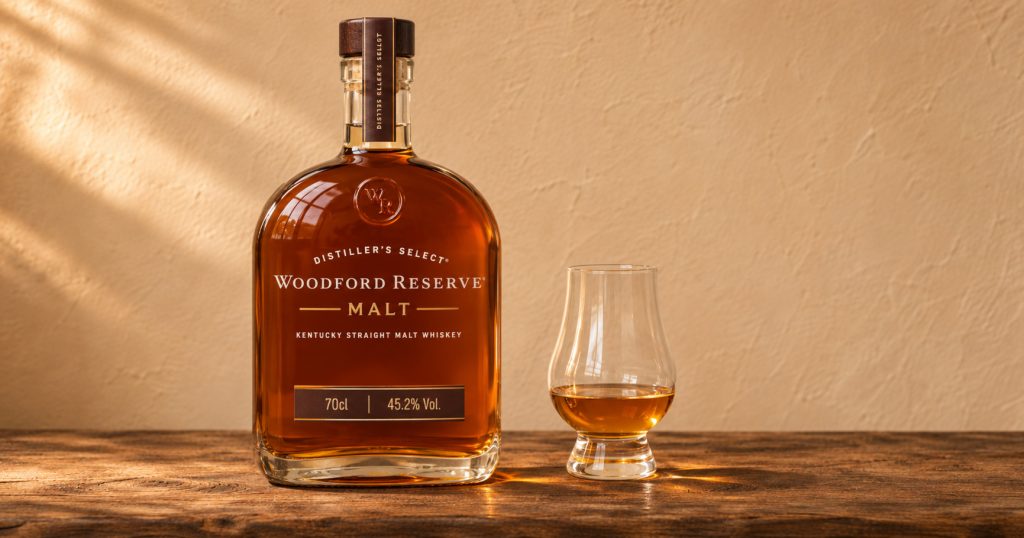
This Woodford Reserve Malt review is about a whiskey with a slightly cheeky ambition. Kentucky’s best-known pot-still house has made a malt whiskey, which is the thing Scotland likes to think it owns, and it has priced it at about £40 and bottled it at 45.2 per cent.
I like the cheek. What I wanted to know was whether the whiskey has more to say than the idea.
American rules call a whiskey malt whiskey when at least 51 per cent of the mash is malted barley. Woodford’s is a Straight Malt Whiskey, and as I understand the rules for a straight whiskey it has spent its life in new charred oak. That one fact explains most of what follows: a malt whiskey from the same kind of barrel as bourbon is going to taste like a cousin of both and a copy of neither.
It is made at Woodford’s Versailles distillery, on the same three copper pot stills that make the bourbon, and the Woodford Reserve distillery page has the rest of the story. Pot stills are the right tool for a malt, because they keep the heavy, oily, cereal character that column stills strip out.
Milk chocolate, toasted hazelnuts and a warm biscuit tin.
The nose is rich and nutty: milk chocolate, roasted hazelnut, malt biscuit and vanilla, with a bright thread of orange peel and a little cinnamon from the oak. It is sweeter than I expect from a malt and less fruity than a bourbon.
The palate is round and slightly oily. Chocolate and toasted nuts lead, then caramel, baked apple and a gentle cinnamon spice, with a dry, grainy malt note running through the middle. At 45.2 per cent it has plenty of body. The oak is firm, and in the middle I get a mild bitterness like cocoa nibs that stops the sweetness running away.
The finish is medium to long: dark chocolate, malt, a little pepper and a warm, nutty fade. It lingers rather well.
If you come to this expecting a Speyside with an American accent, you will find it too sweet and too oaky. If you come expecting a bourbon, you will find it more cereal-led and less vanilla-heavy than you wanted. It lives in a gap between the two, and I rather like it there.
What it does well is the chocolate-and-nut register, which is hard to get from either parent. What it does less well is complexity. It is a lovely first twenty minutes and then a slightly repetitive second hour.
Neat or over a single cube, with a splash of water if the oak is dry. It makes a very good, slightly unusual Manhattan, where the nuttiness plays nicely with sweet vermouth and a dash of orange bitters. I would not put it in anything fruity.
At about £40 it scores 75. The standard Woodford Reserve scores 79 at about £33, which is better and cheaper. Woodford Reserve Rye scores 69 at about £52. Glenfiddich 12 scores 74 at about £32, and The Balvenie 12 DoubleWood scores 83 at about £48.
So the malt is a good whiskey that costs more than the bourbon it sits beside, and less than a Scotch that beats it. It earns its place as a curiosity and as a change of pace, and not as the best thing on the shelf.
If the idea of a malt-led whiskey with some oak and sweetness appeals, these four are the honest comparisons.
Better, cheaper and a lot easier to find.
Honeyed, sherried and a very good malt for about eight pounds more.
Lighter and fruitier at about thirty-two pounds.
A richer, sweeter relative at about fifty-five pounds.
A nutty, chocolatey, slightly odd American malt that I enjoyed more than I expected. It is not the bargain of the Woodford range, and it is a fun thing to have on the shelf.
Caskable score: 75 out of 100.

Milk chocolate, roasted hazelnut, malt biscuit, vanilla and orange peel.
Round and slightly oily, chocolate and toasted nuts, caramel, baked apple and gentle cinnamon.
Medium to long. Dark chocolate, malt, a little pepper and a nutty fade.
A nutty, chocolatey Kentucky malt that is a fun curiosity but dearer than the bourbon.

Thomas Grønvold is the founder of Caskable and a whisky enthusiast who believes the best way to learn about whisky is simply to drink it, compare it, and stay curious. From supermarket favourites to bottles from distilleries around the world, he writes about what he actually tastes and experiences, without pretending you need to be an expert to enjoy a good dram.
View profile →


