Better value
Glen Scotia Double Cask
- Caskable score 78/100
- About £36 (70 cl)
- 46% ABV
- Scotland
It is the best-value Campbeltown option.
Find a bottle18+ · Affiliate link · Prices may vary


Springbank 10 is the whisky that nerds love, and the reason is not just the taste. This Springbank 10 review is about a distillery that does almost everything by hand on site, a lightly peated, oily, salty malt, and a Caskable score of 71 out of 100.
That score will annoy Springbank fans, and I understand why. It is partly about the price, partly about the batch variation, and partly about the hype.
Springbank is in Campbeltown, owned by the Mitchell family firm J&A Mitchell. It is often described as the only Scottish distillery that carries out the whole process on site, from malting through distilling to bottling. That craft approach, plus a unique two-and-a-half times distillation, helps explain its fan following. The story of the town is told in my Campbeltown history.
The 10 is bottled at 46%, non-chill-filtered, with natural colour. It is lightly peated and matured in a mix of bourbon and sherry casks. Batches vary, and recent bottlings taste different from earlier ones, so what you buy may not match older bottles.
The nose is fresh orchard fruit, orange zest, heather and honey, with a gentle peat note, then honeycomb, vanilla and grapes. It can turn very floral, with pear and birchwood.
The palate is described as creamy and oily, with malt, honey and spice. Nutmeg and cinnamon come up often, with a light smoke or peat. Some describe a leathery, sherried character. The texture is the star: it feels oily and weighty in a way few 10-year-olds manage.
The finish shows sweet toffee or salted caramel, with a salty tingle, then drying peat and a long, warming finish with dried fruit. There is a distinctive rubbery, funky note in there. That is the Springbank signature, and some drinkers love it while others find it off-putting. I enjoy the style, but I do not think £57 is a fair price for a 10-year-old, no matter how handmade it is.
Neat, in a tulip glass, with a few drops of water. It is oily enough to benefit from dilution. I would skip the ice.
It goes well with smoked fish, mature cheese and salted caramel. In cocktails, it is too good to hide, but a Rob Roy or Penicillin with it is a treat.
Springbank is one of the very few Scottish distilleries that carries out every stage of production on site, from malting to bottling. It has its own floor maltings, its own mash tun and washbacks, its own stills, its own warehouses and its own bottling hall. That is an extraordinary level of vertical integration in an industry where most distilleries outsource at least some of the work. It means the distillery controls every aspect of its whisky, and it contributes to the hand-made character.
The distillery is owned by J&A Mitchell & Co, a family firm that has run it since 1837. It also owns Glengyle, which produces Kilkerran, and in the past it produced Hazelburn. The family’s patient approach has kept Springbank independent through the lean years.
Springbank’s distillation process is unique. The spirit passes through two stills, the wash still and the low wines still, but part of the output from the low wines still is redistilled in the spirit still. This results in a spirit that has been distilled two and a half times, and it gives Springbank a distinctive complexity. Hazelburn is triple distilled, and Longrow is distilled twice.
The result is a spirit with an oily, salty and slightly funky character, and a depth of flavour that other distilleries struggle to match. It is the secret of Springbank’s reputation.
Springbank 10 is more expensive than most ten-year-olds, and the reason is demand. The distillery produces a small amount of whisky, and the cult following means that every bottle sells quickly. Retailers know it, and the price reflects it. If you can find it at the recommended price, it is a fair deal. If you are paying inflated secondary prices, you are paying for the name.
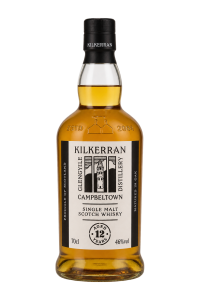
I would suggest trying the Glen Scotia Double Cask or the Kilkerran 12 as alternatives. They are both good Campbeltown malts at lower prices, and they give a sense of the style without the premium.
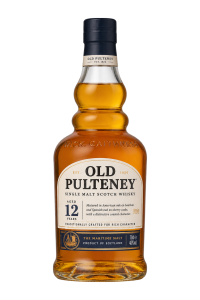
At about £57 for 70 cl it is expensive. Glen Scotia Double Cask costs about £36 and scores 78. Old Pulteney 12 is about £38 and scores 73. At about £60, Kilkerran 12 scores 73.
Springbank 10 sells at a premium because demand has outstripped supply for years. The whisky is excellent, but I think it is priced like a rarity and not like a 10-year-old. If you can find it for £45 to £50, it is a better buy. Check the retailer link before buying.
Not sold on Springbank 10, or just curious what else is out there? These are the closest alternatives, and every one has a full review behind it.
It is the best-value Campbeltown option.
It is the sister malt, usually a little smokier.
It is the richer, sherried step up.
If you want a coastal Highland instead, it is a good choice.
Whisky enthusiasts who want to try the cult favourite, and anyone who likes oily, salty, lightly peated malt. It is also a good bottle for collectors of Campbeltown. If you just want a pleasant dram, there are cheaper options.
An oily, salty, lightly smoky Campbeltown classic that is excellent and overpriced for what it is. Caskable score: 71 out of 100.

Orchard fruit, orange zest, heather and honey with a gentle peat note, honeycomb and vanilla.
Creamy and oily, with malt, honey, nutmeg and cinnamon and a light smoke. Weighty for a ten-year-old.
Sweet toffee or salted caramel with a salty tingle, and a funky note that divides people.
Oily, salty and lightly smoky. A Campbeltown classic that is excellent and overpriced.

Thomas Grønvold is the founder of Caskable and a whisky enthusiast who believes the best way to learn about whisky is simply to drink it, compare it, and stay curious. From supermarket favourites to bottles from distilleries around the world, he writes about what he actually tastes and experiences, without pretending you need to be an expert to enjoy a good dram.
View profile →